




Performance through innovation
Whether it’s pumping fluids for oil and natural gas operations, moving waste water to keep communities clean and healthy, or transferring water to irrigation systems to crops that will eventually end up on our table, the importance of centrifugal pumps can’t be overstated. Just ask the team at Pioneer Pump who make some of the industry’s best pumps.
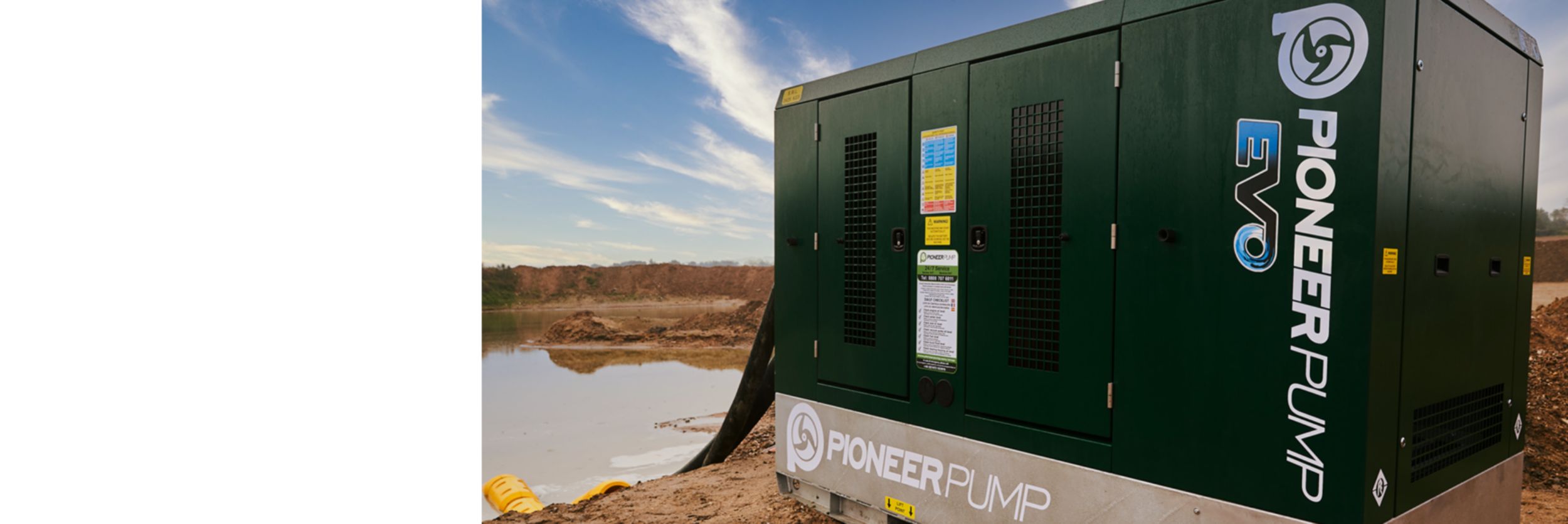
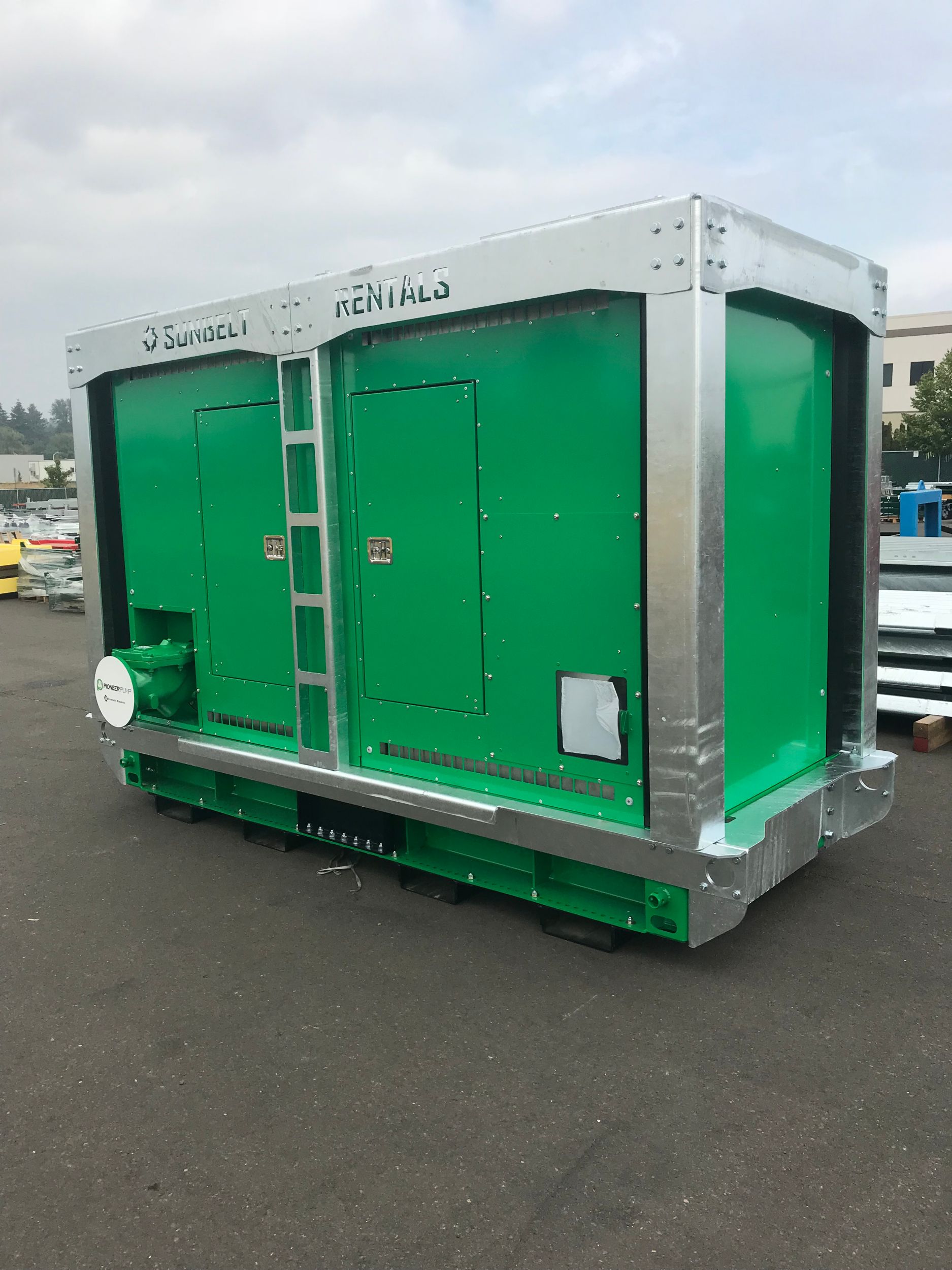
For more than 20 years, global manufacturer Pioneer Pump has made a name for itself through its innovative pumping technology that spans across a variety of applications and uses. And its latest pumps, the Pioneer’s GL-3 10X8 and 12X12, are no exception. Easily customisable, these new pumps allow customers to choose control panels, trailer options and pump ends.
Meeting the demands of rental
In recent years, Pioneer Pump has been seeing a strong response from rental companies, many of which have recently created specific locations or business units to focus on the ever-growing industrial pump market.
In fact, according to market research firm Technavio, the global industrial pump rental market is poised to grow by $1.54 billion USD over the next five years, progressing at a compound annual growth rate of more than 7 percent during the forecasted period.
What to consider?
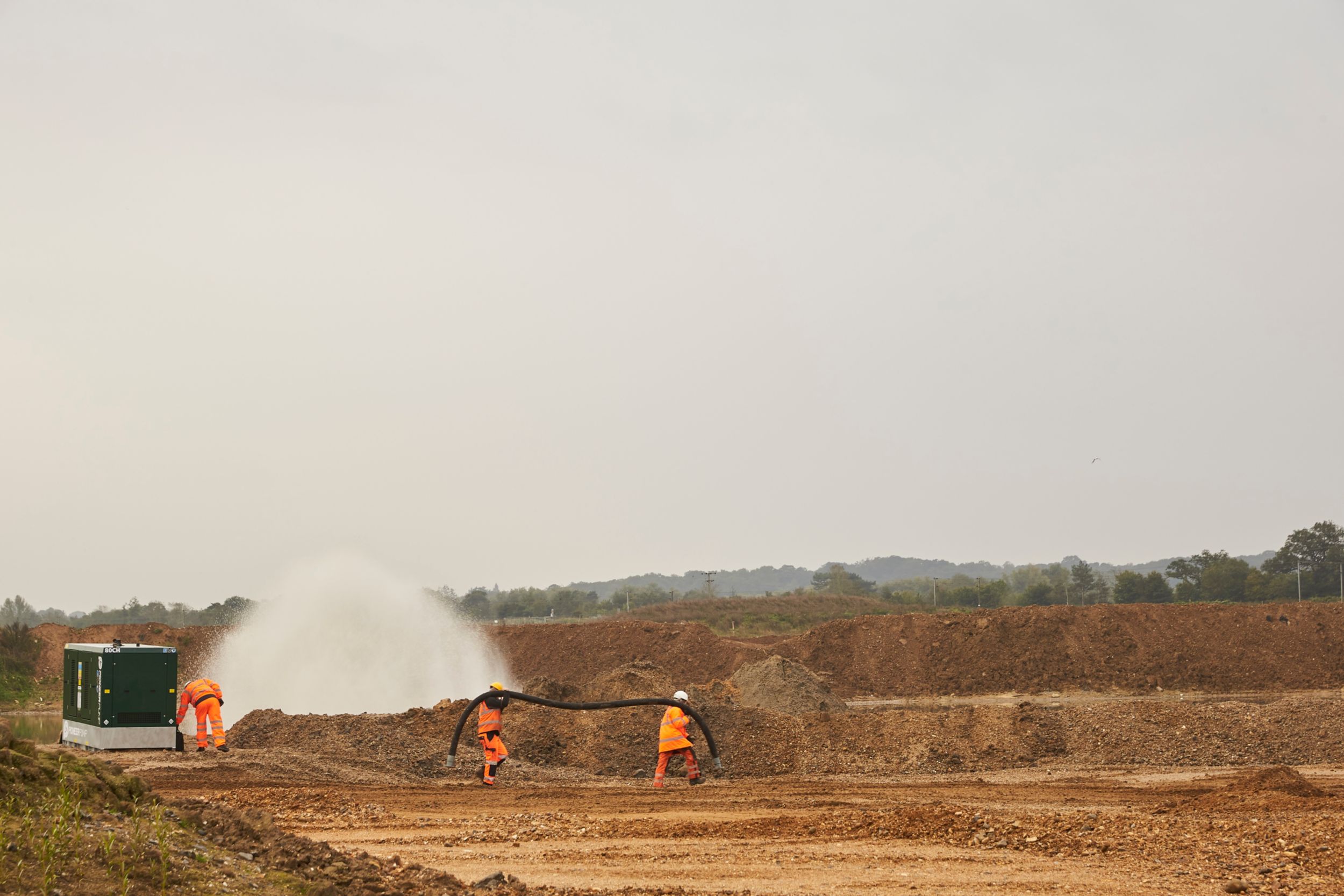
Pump specific centres at rental companies are helping their customers find the right machine to match the requirements of the job. But before customers rent pumps, they should consider the following to ensure peak performance:
- Liquid or solid – The consistency of liquid being moved is a big determiner of the pump type. Centrifugal pumps work better with liquid that is largely free of debris
- Depth – Diesel powered pumps generally only work when removing water that is 25 feet deep or less. Anything deeper will require a submersible pump
- Rate flow – Pump capacity will determine the power you’ll need to perform the job
Rising demand for rental fleet companies
The GL-3 models are hitting the market at a time when rental companies are expanding inventories to meet increasing needs from customers.
As rental companies are expected to increase investments in equipment over the next five years, rental fleet companies are responding to the rising demand in part by creating industry-specific teams within the business to boost customer service.