





Stop worrying about unexpected repairs.
They’re easier to control than you may think.
Unexpected repairs are a fact of life for every machine owner. They’re time-consuming, they disrupt schedules and they can be extremely expensive. While nothing can prevent all of them, the good news is that many don’t have to happen at all because the root causes are easily controlled.
More often than not, those root causes can be traced directly back to ‘money-saving’ service and maintenance decisions. In essence by saving a small amount today, those decisions greatly increase the likelihood of a costly unexpected repair in the future.
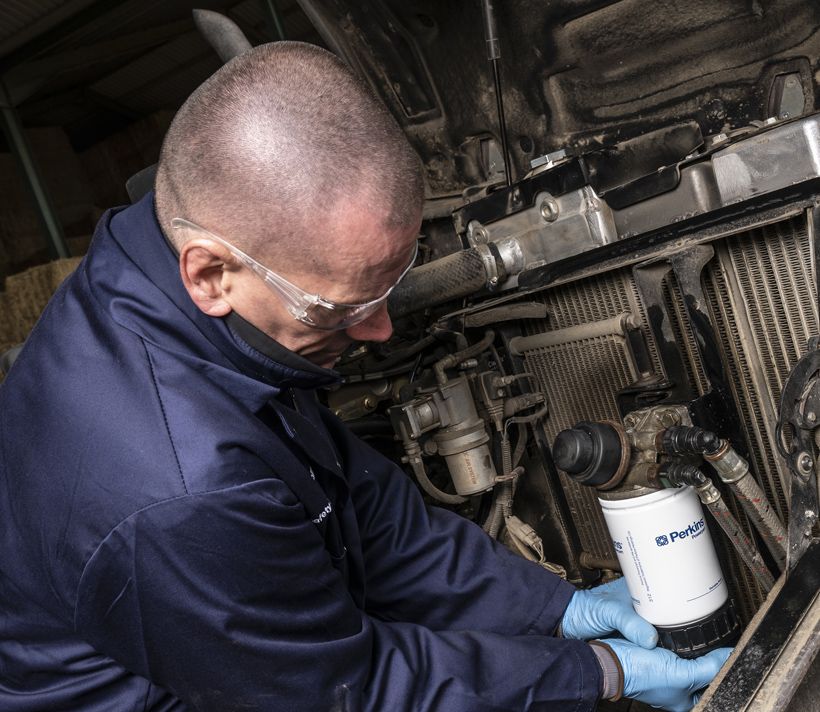
Using an aftermarket ‘will-fit’ fuel filter instead of an OEM filter is one good example of how this works.
A fuel filter is supposed to remove contaminant particles from the fuel so they can’t damage precision fuel system components like fuel injectors. Those particles may be microscopic, but if the filter doesn’t trap them they can easily score the injector’s sealing surfaces and create paths for fuel leakage.
While a microscopic scratch may sound trivial, in a modern diesel engine with a high-pressure single rail fuel system and electronically controlled injectors it most certainly is not. That fuel leakage can impact emissions, fuel consumption, engine performance and, ultimately, reliability.
In short, it’s an expensive unexpected repair just waiting to happen, all because a ‘will-fit’ fuel filter didn’t do its job. Saving a little on the filter meant the owner had to spend a lot replacing the injector -- and it did not have to happen.
Oil filters that don’t do their job can be even more destructive because contaminants that aren’t removed can damage all of the moving parts in the engine. The injectors are safe, but the piston rings, rods, cam and crank bearings and, most of all, turbochargers aren’t. They’re all at risk of early failure and all extremely expensive to repair or replace.
A 'will-fit' filter may trap those particles initially, but often doesn’t have enough capacity to keep removing them very long. As the media loads up it becomes harder and harder to force oil through it until it either collapses or the backpressure opens the bypass valve.
In either case, contaminated oil is then free to circulate through the engine and damage expensive internal parts. The engine owner eventually faces another unexpected repair that didn’t have to happen, only this time it’s likely to be a lot more expensive than replacing a fuel injector.
Modern diesel engines offer levels of power density, fuel efficiency and performance that simply weren’t available just a few years ago. Those advances are achieved by combining tighter part tolerances with higher operating temperatures and pressures all under sophisticated electronic monitoring and control.
But, those advances also make today’s engines more sensitive to microscopic contaminants in the fuel and lubricating oil. Advanced engines need advanced protection and who knows more about how to do it than the people who designed and built the engine. That’s why genuine original equipment manufacturer’s parts and filters are the best choice for every engine.
A ‘money-saving’ decision today can lead directly to a costly ‘unexpected’ repair that didn’t have to happen in the future. Why take the chance?
-
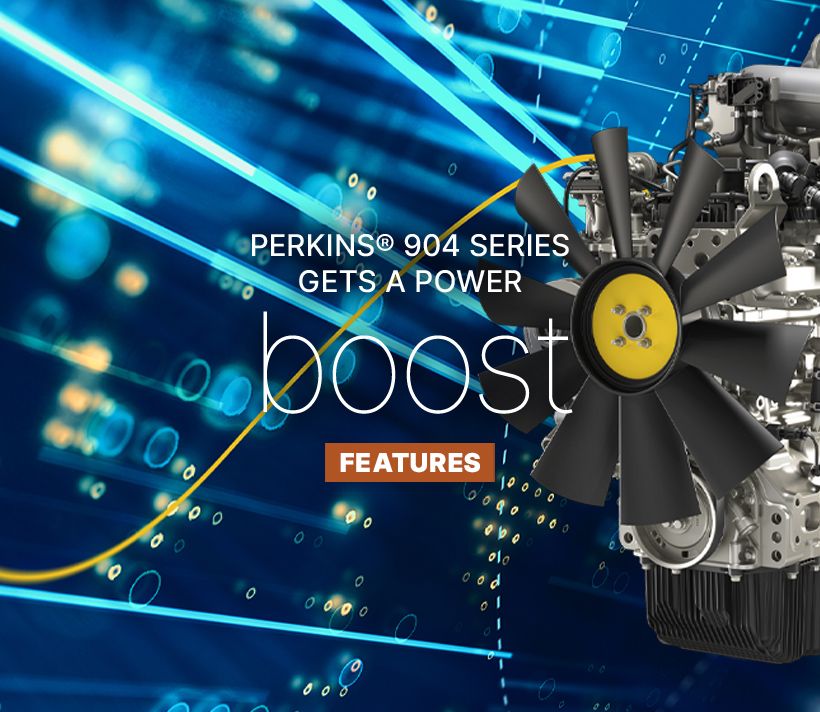
Popular 904 Series gets a power boost
Perkins has announced a power uplift to the popular 3.6 litre variant.
Read more -
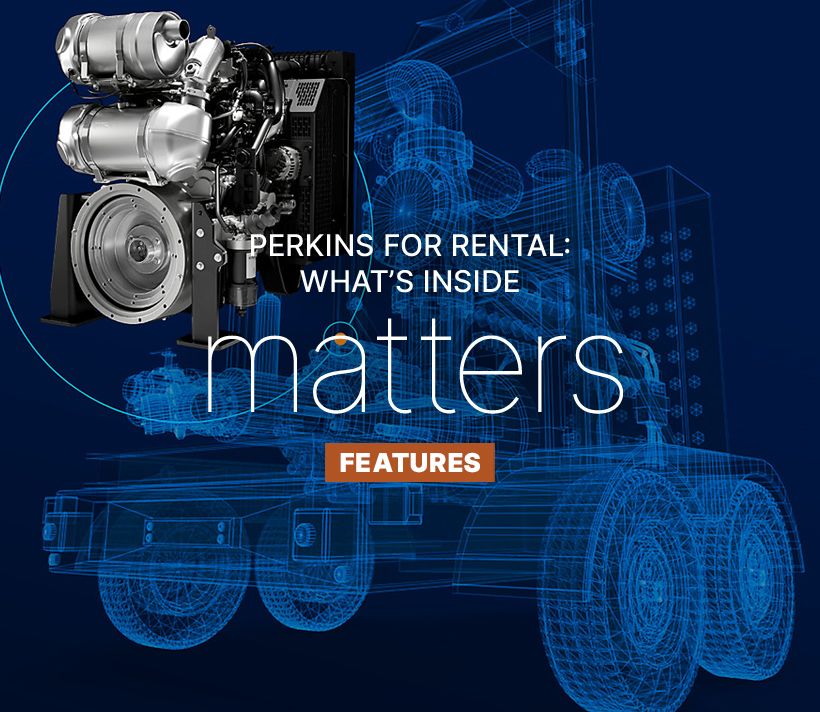
What's inside matters
We chat to Corey Berry following the successful showings at American Rental Association (ARA) and United Rentals exhibitions.
Read more -
Putting an electric wheel loader through its paces
We headed to Malaga, Spain, to learn more and see the machine in action.
Read more -
The year ahead for agri-tech
What might the coming months hold? Powernews does some opinion legwork, so you don’t have to.
Read more -
Marine focus: A proven method
The Perkins marine distributor network is there to service customers of Perkins anywhere in the world.
Read more -
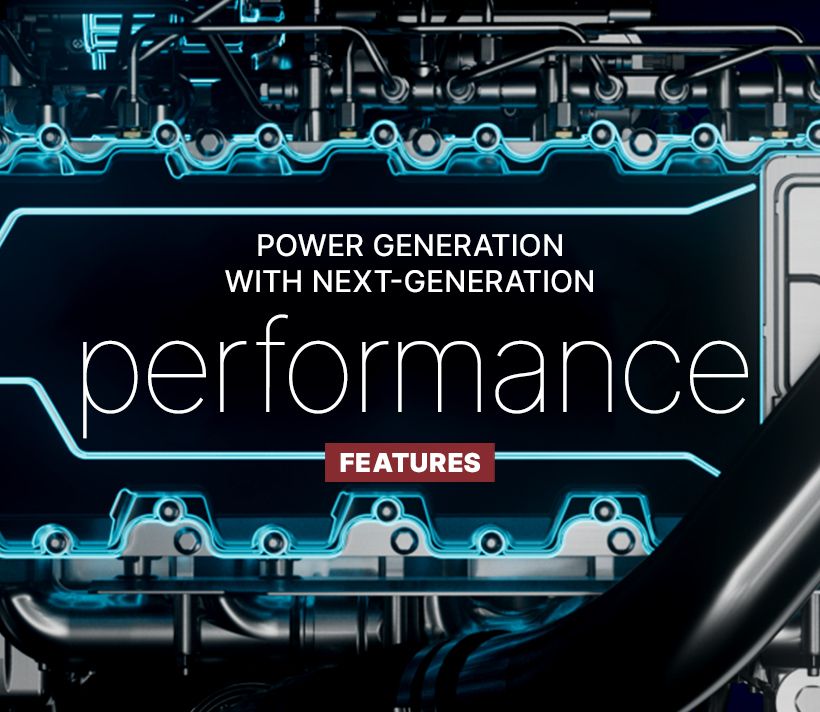
Perkins brings next-generation performance to power generation
Available in the second half of 2025, the 2600 Series offers excellent load acceptance, fuel efficiency and versatility.
Read more -
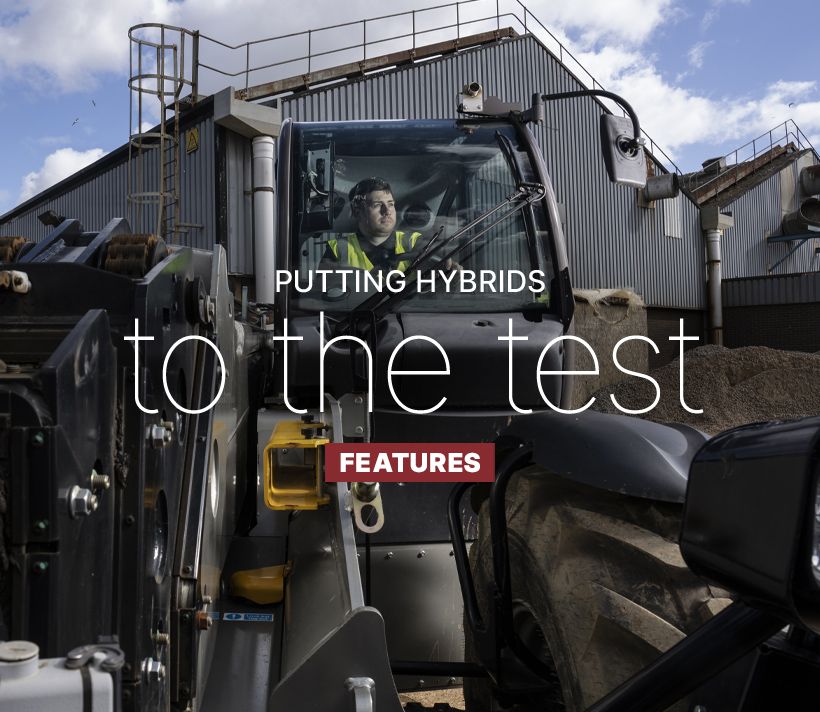
Putting hybrids to the test
How our Customer Solutions and Engineering teams are actively helping customers reduce fuel consumption.
Read more -
California: why it's so important to America's agricultural output
The state’s farmers grow more than 400 commodity crops, 19 of them unique to the Golden State.
Read more -
China focus: Engine launches and Bauma China
More than 280,000 visitors from across the world attended this year’s four-day long Bauma China exhibition in Shanghai.
Read more -
From build-line to boat – the journey of one Perkins® E44
We follow the journey from a Perkins facility in the UK to installation on a passenger ferry in Singapore.
Read more